
JD Edwards E1 to Salesforce CRM Integration Lessons Larned
Project History
Ford Meter Box (FMB), a manufacturing company, implemented Salesforce CRM Sales Cloud for its sales team. It allowed them to organize their opportunities, establish a regular contact with the leads, quantify and grade the opportunities, and analyze quotes versus actual sales. Salesforce gave the management tools to really identify their strengths and weaknesses. It resulted in improvement in overall sales cycle.
On the backend, FMB uses JD Edwards EnterpriseOne ERP software to fulfill the orders. The orders were made and shipped from E1.
Need for Integration
As sales team would interact with leads and existing customers, they would get queries about existing orders, products, and pricing. They would have to rely on customer service to provide the needed information. In some cases, they could go back to office, log into JDE E1 system and find the information themselves. All this was time consuming. There was an absolute need to build integrations between Salesforce and E1. All the information needed by customers should be in one place for Sales team to use.
Building the Integrations
FMB partnered with DW to build these integrations. DW has many years of expertise in both Salesforce and JD Edwards software. It enabled DW to bring best practices into the project and deliver a solution that stood the test of time. In scope were customers (accounts), whos who (contacts), items (products), sales order headers (orders), and sales order details (order products). DW built REST API’s in Salesforce to communicate with E1, and orchestrations on E1 side to communicate with Salesforce. Its been 2 years since the integrations went operational. The architecture, design and development tools chosen for this project have survived all the business challenges and integrations are still going strong.
Lessons Learned
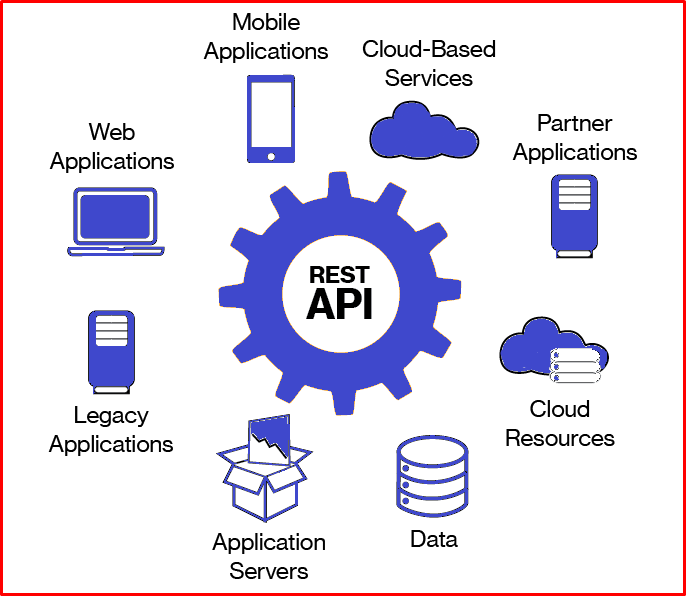
REST API’s allowed a stable, strong mechanism to transfer data back and forth. DW created many custom fields in Salesforce to store E1 information, e.g. category codes and UDC descriptions. REST API’s allowed sending the custom fields just as easily.
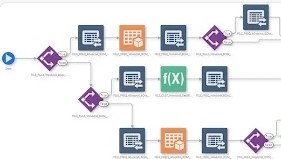
E1 Orchestrations made the job of calling Salesforce API’s very easy. We scheduled Orchestrations to run every few hours, pick up changes and send to the other side. A proper error checking and logging was done so that research and resolution of errors was easily done.
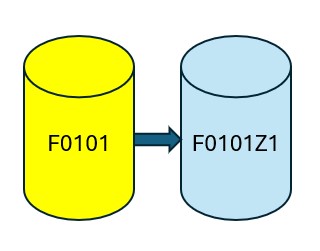
E1 Interoperability allowed us to create a disconnected model where all adds/changes from E1 will be collected in the interop tables and then later picked up by integrations to send to Salesforce. this created a very resilient setup that was mostly out of the box and could survive ups and downs of system and volume of transactions

Stability of an integration between 2 systems is the real test. Salesforce is a cloud application known for its more than 99% uptime. On the E1 side, orchestrations ran pretty much flawlessly. There was tuning done in response to longer running jobs so that they don’t overstep each other.
DW Team with its expertise in both Salesforce and E1 proved to be one reason why the integrations worked so well and also any changes needed by customer over time were accommodated very easily. Feel free to reach out to us (smian@dwintl.net) for a demo of the integrations mentioned here and how we can help you with your CRM and ERP projects
 DW international